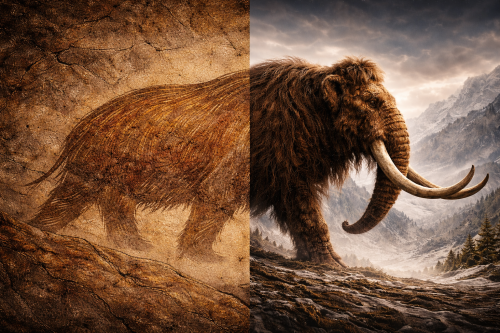
Art has never been fixed. It has never belonged to one era, one style, or one definition. From the earliest marks on stone to the glowing screens of the modern world, art has changed again and again - in form, in purpose, in medium, and in meaning. Yet across all of these changes, one thing has remained constant: the human need to express, interpret, and leave something behind.
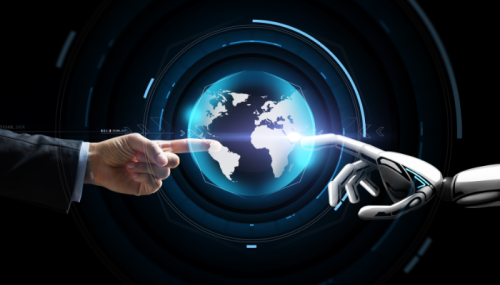
AI can generate images in seconds. It can produce detail, atmosphere, color, lighting, and style at a pace that would have sounded unrealistic just a few years ago. That speed is impressive, but it also creates a common illusion: that once the tool becomes powerful enough, human creative judgment becomes less important.
AI image generation has moved from niche curiosity to mainstream creative tool in a very short time. But as often happens with new technology, the conversation around it is full of extremes. Some people see it as magic. Others see it as a threat. Some believe it can do everything. Others dismiss it as fake creativity with no real value.
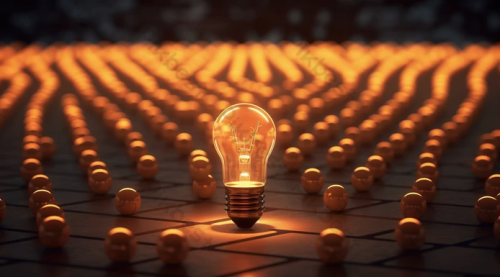
Getting started with AI image generation can feel deceptively simple. You type a few words, click generate, and wait for the result. But for many beginners, the first few attempts are disappointing. The image may be technically impressive, but it does not quite match the idea in your head. It feels off, generic, or unfinished.
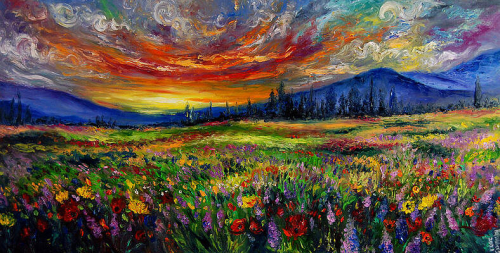
The arrival of AI image generation did not simply introduce a new creative tool. It opened a deeper question, one that goes beyond software, technique, or even the future of design. It forced us to return to something older and more difficult: what gives art its meaning in the first place?
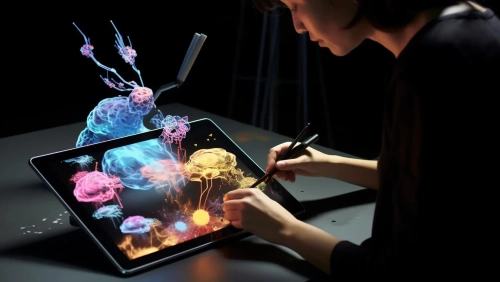
There was a time when the hardest part of creating was not the work itself - it was starting.